October 15, 2024
Why Road Salt is Bad for Your Car (and Your Health)
Winter means icy roads, and while road salt is a crucial tool for keeping those roads safe, it can do a number on your car and even pose risks to your health. At Pitstop Boys, we know the damage road salt can cause if left unchecked, from rust and corrosion on your vehicle to respiratory concerns when salt particles become airborne. Here’s why road salt can be bad news—and what you can do to protect both your car and your health this winter.
1.
The Corrosive Effects of Road Salt on Your Vehicle
Road salt lowers the freezing point of water, helping melt ice and snow. However, when salt bonds with your car’s metal surfaces, it triggers corrosion. When salt mixes with moisture, it creates an ideal environment for rust to form on your car’s undercarriage, body, and critical components like brake lines and fuel tanks. Left untreated, this can lead to costly repairs and weaken your vehicle’s structure.
2.
Airborne Salt and Health Risks
Once the roads are dry, the salt doesn’t just vanish. When vehicles drive over dried salt, they stir up tiny salt particles that become airborne. Breathing in these particles can irritate the respiratory system, particularly for people with asthma or other respiratory conditions. Over time, exposure to these salt-laden particles may cause symptoms such as coughing, sneezing, and throat irritation, even in healthy individuals.
3.
The Impact of Salt on Paint and Finish
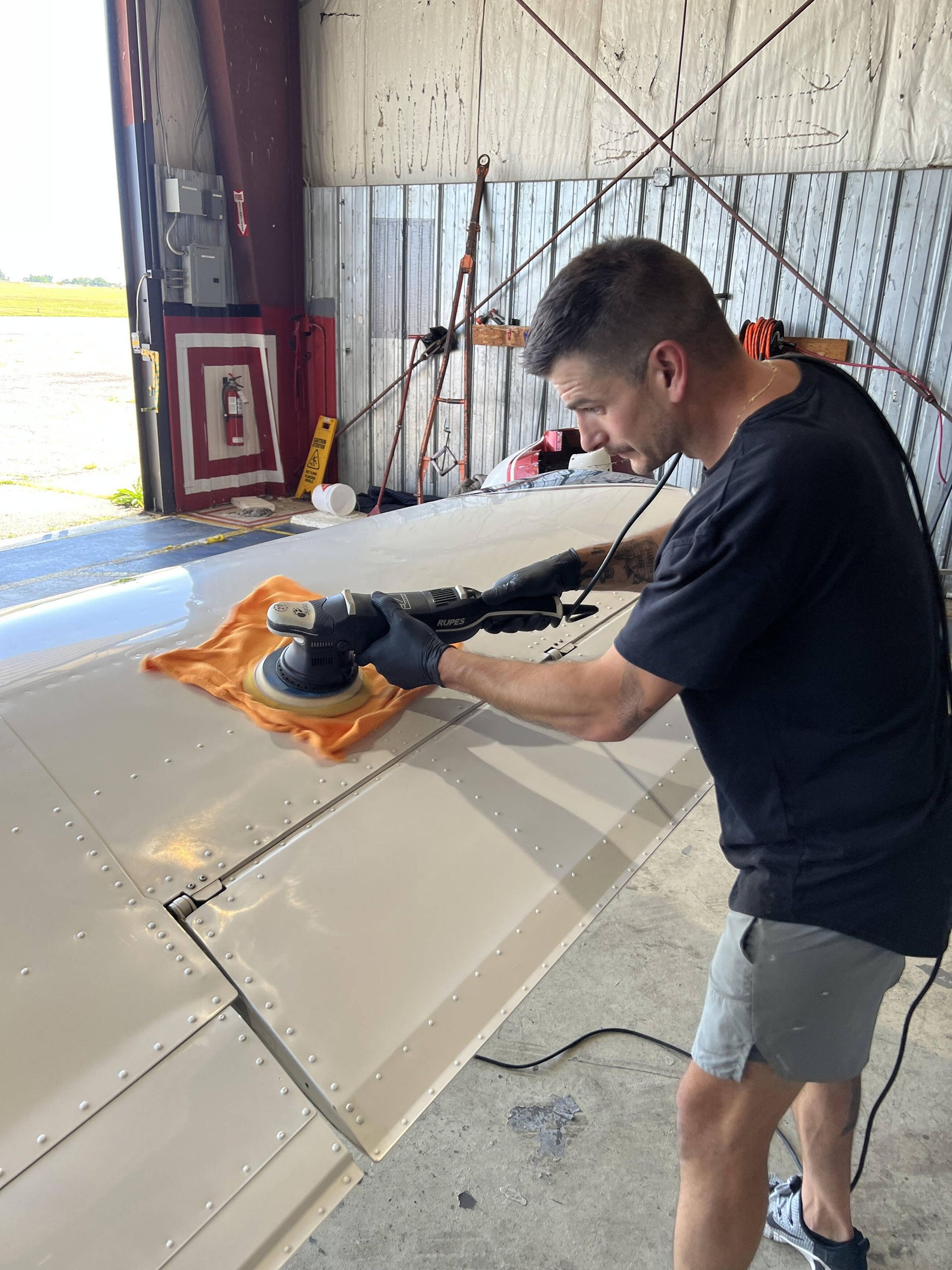
Salt isn’t just harmful to your car’s structure—it can damage your vehicle’s paint and finish, causing it to chip and peel. This exposes the underlying metal, accelerating corrosion and diminishing your car’s appearance. Protecting your paint with a ceramic coating or wax can act as a shield, helping preserve your car’s look and value.



How to Protect Your Car and Health from Salt Damage
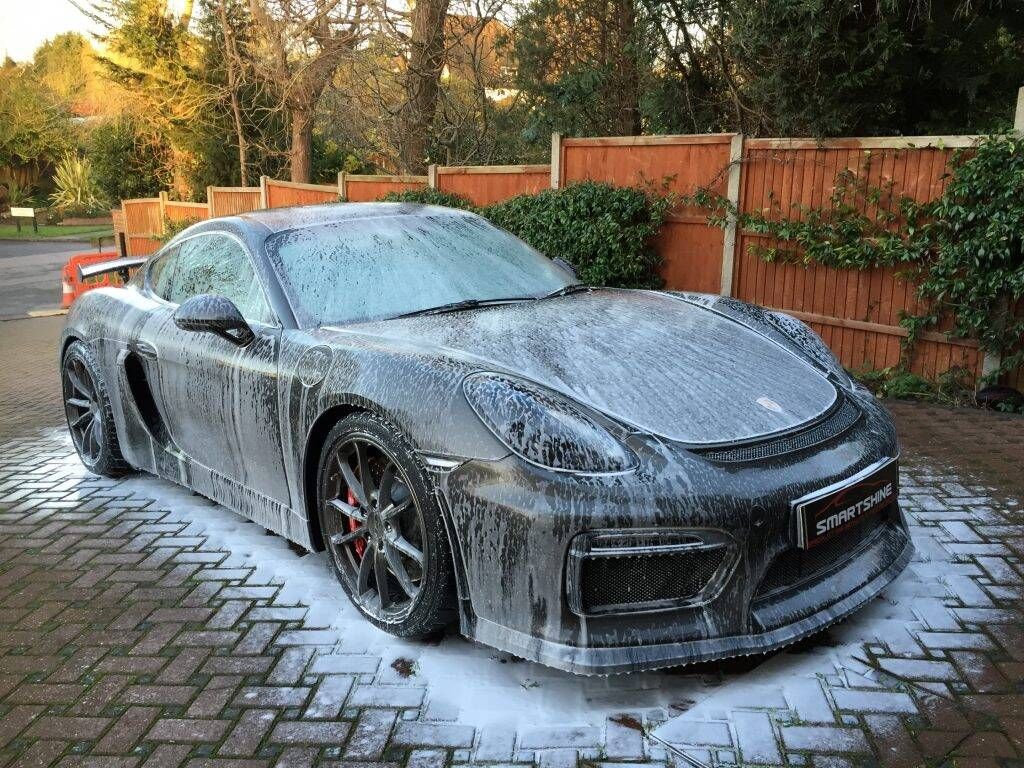
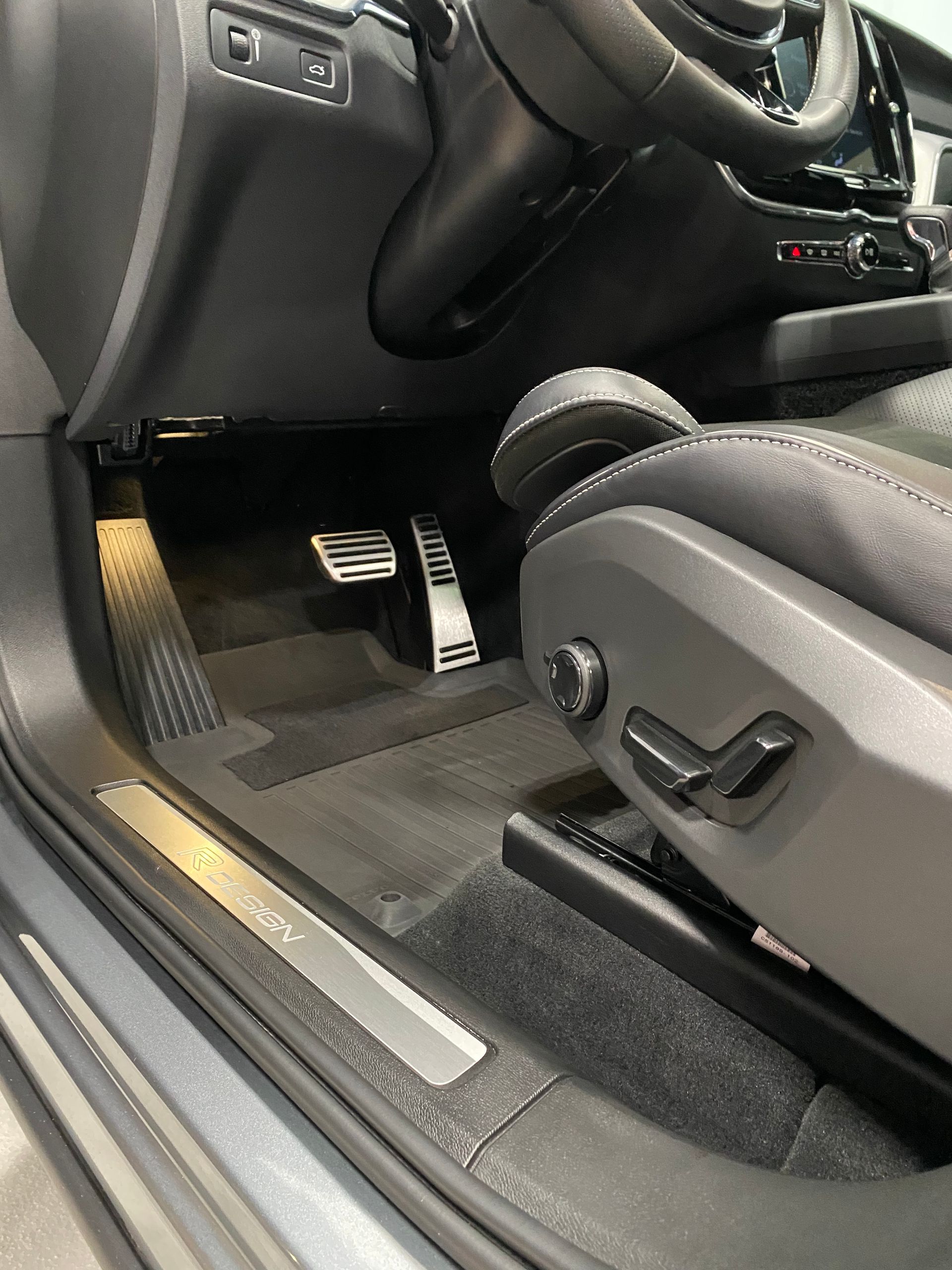
1. Regular Washing: Washing your car regularly in winter—especially after snow and slush—can help remove salt buildup that could become airborne or bond with your vehicle’s surfaces. Pay extra attention to the undercarriage, where salt accumulates.
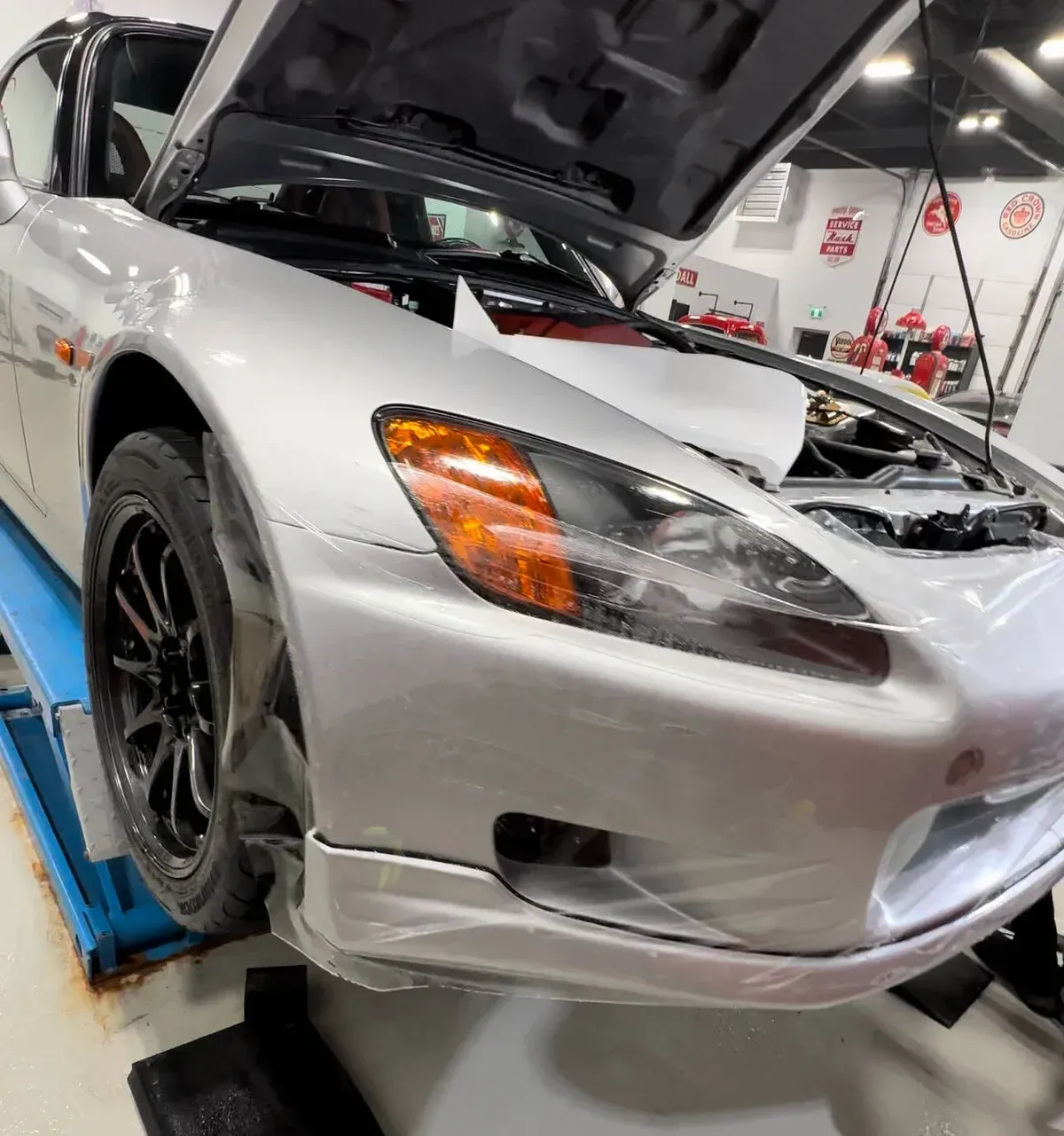
2. Use a Protective Coating: Applying a wax or ceramic coating adds an extra layer of defense against salt on your car’s exterior. Ceramic coatings are especially durable and help prevent salt from bonding to the paint, making it easier to wash away.
3. Use an Air Purifier in Your Vehicle: For those with sensitive respiratory systems, using an air purifier in your car can help filter out airborne particles, including salt dust that might enter through vents.
4. Choose Ventilation Settings Carefully: Avoid opening windows or using the “fresh air” vent mode on particularly dry, salty days when the risk of airborne particles is high. Using the “recirculate” setting helps minimize exposure.
5. Undercoating Treatment: Protecting your undercarriage with an undercoat treatment can block salt from clinging to critical metal parts and components, reducing rust and corrosion over time.
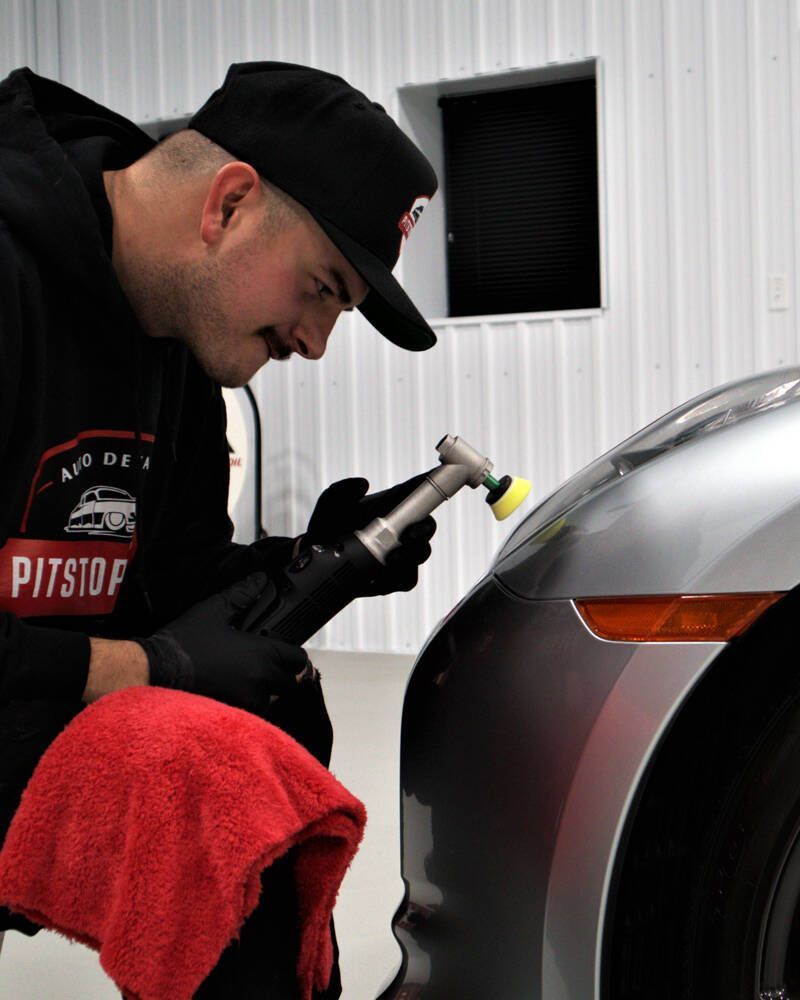
Road salt is a necessary part of winter road safety, but with proactive care, you can protect both your car and your health from its harmful effects. At Pitstop Boys, we offer professional detailing services that keep your vehicle looking and performing its best all winter. Stop by or reach out to see how we can help keep your ride safe from salt damage this season.