September 15, 2025
When most people think about window tint, they picture the sleek, dark look it gives a car. And yes, tinted windows do make your ride look sharper. But there is much more going on behind the glass.
At Pitstop Boys, we see tint as a performance upgrade
. It improves comfort, blocks heat and UV, reduces glare, and protects your interior from fading. Whether you want to tint just your front windows, your entire vehicle, or even your windshield (yes, legally, partially), here is the full story.
Windshield Tint: Subtle but Powerful
Windshield tint might sound extreme, but it is actually a clear or very light film
applied to the full front windshield.
It does not darken your view. Instead, it:
- Blocks infrared heat (up to 98 percent with ceramic films)
- Reduces glare from sunlight and headlights
- Protects your dashboard and interior from UV damage
Ontario and Quebec do not allow dark tint on the main windshield, but a tinted sun strip (brow) at the top is legal. The rest of the windshield can use a
clear ceramic film that is virtually invisible yet still blocks heat and UV.
Front Windows: Legal Tint Limits in Ontario and Quebec
Your driver and passenger front windows are the most regulated:
- Ontario : Tint is allowed as long as more than 70 percent of visible light can pass through (VLT). Anything darker than about 30 percent tint is considered illegal.
- Quebec : Slightly stricter. Front side windows must allow 70 percent light or more, which means very light tint only is legal.
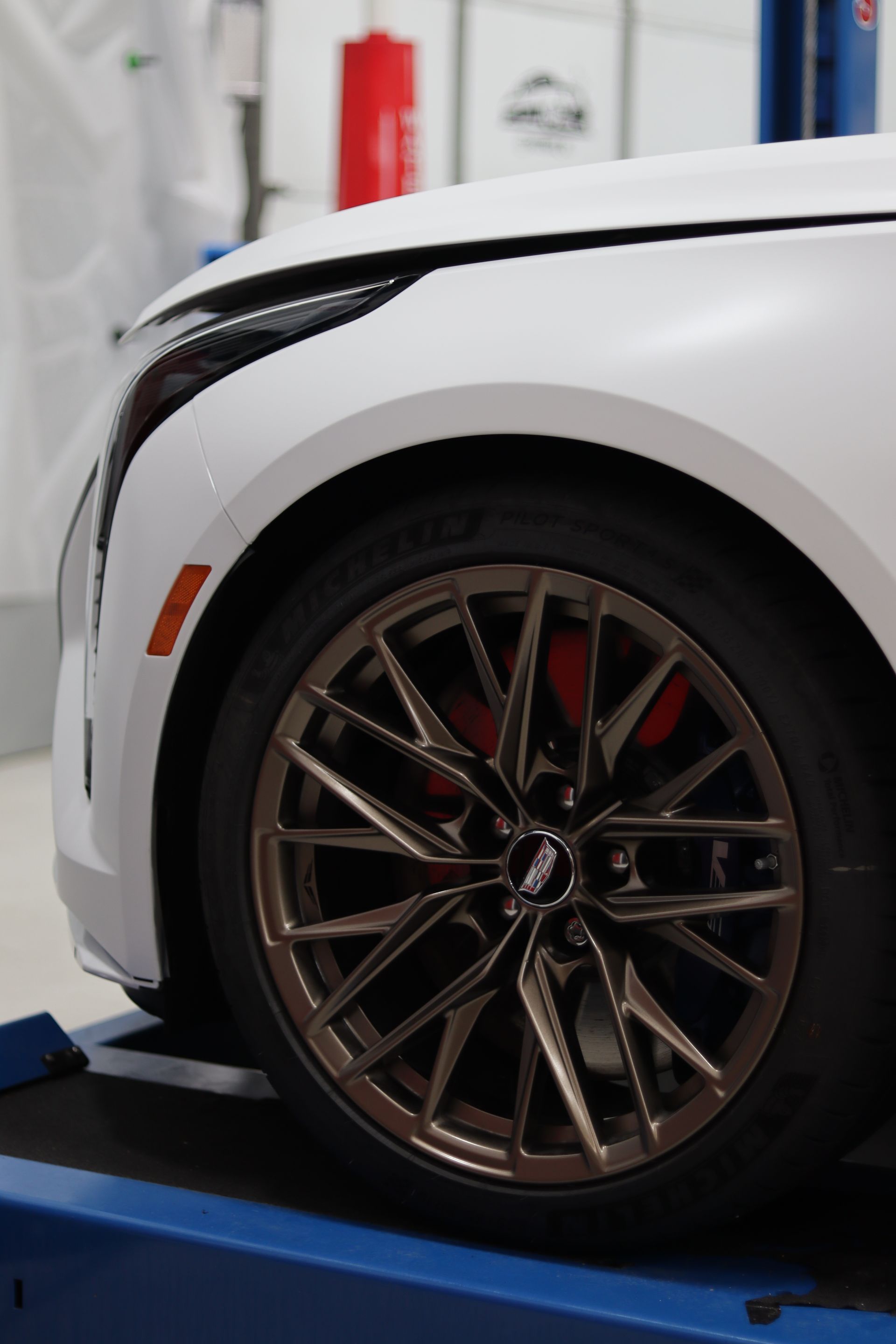
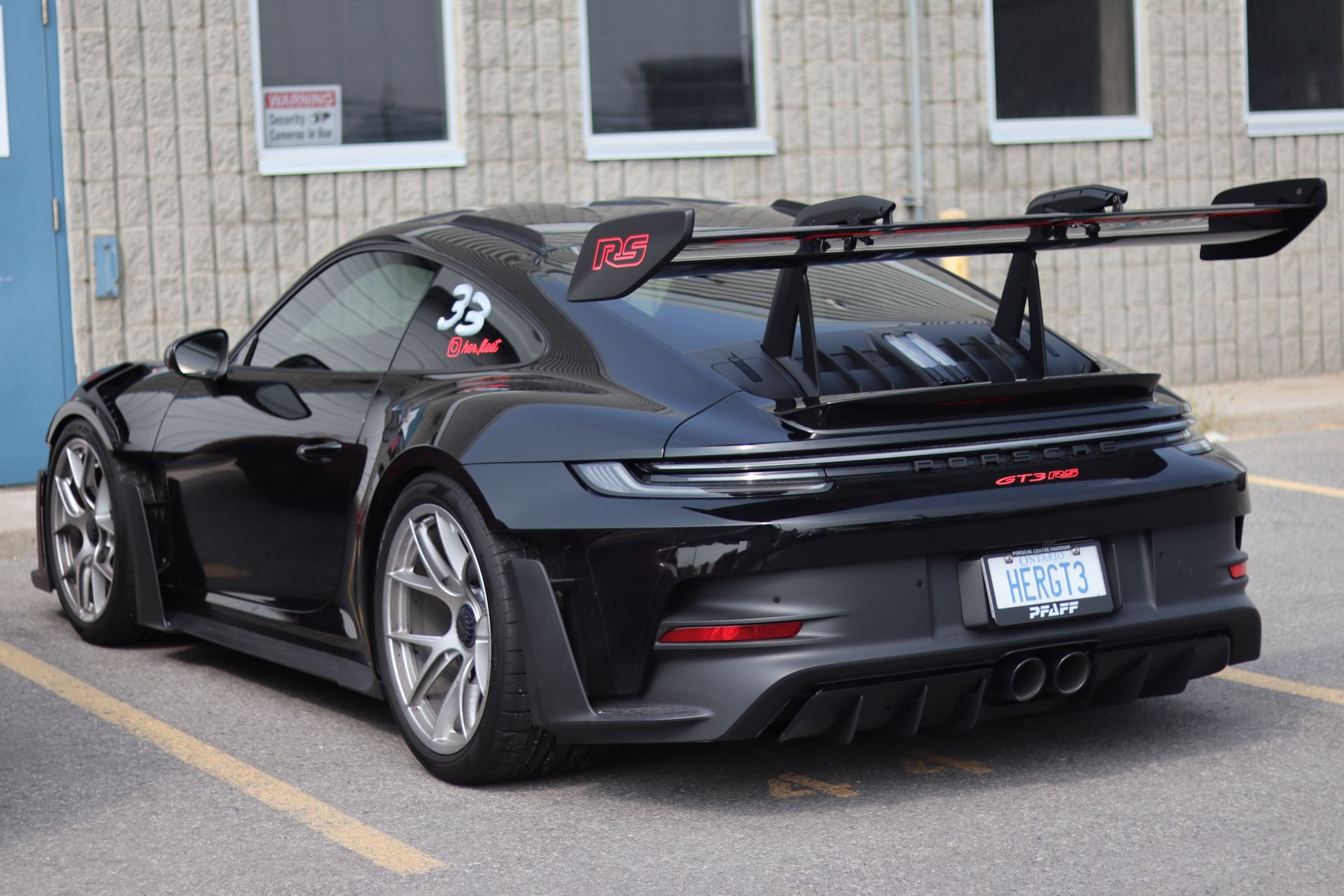
Many cars come from the factory with no front window tint, so adding 35 to 50 percent VLT tint often hits the sweet spot for looks while staying near legal limits. Anything darker could get you pulled over.
All-Around Tint: Rear Windows and Cargo Areas
Here is where you can get creative. Both Ontario and Quebec allow you to go as dark as you want on:
- Rear passenger windows
- Rear windshield
- Rear cargo and quarter glass
That means you can do 5 percent limo tint if you want total privacy, or choose something like 15 to 20 percent for a sleek look while still seeing clearly at night. This is also a great way to protect your passengers and valuables from sun and prying eyes.
Ceramic vs Carbon Tint: What Is the Difference
Carbon Tint:
- Offers good heat rejection and blocks a solid amount of UV rays
- Has a deep, rich matte-black appearance that enhances the look of your windows
- Does not interfere with cell, GPS, or radio signals
- More affordable than ceramic tint
- Provides long-lasting colour stability and resists fading over time
Ceramic Tint:
- Delivers superior heat rejection, blocking up to 98 percent of infrared heat
- Provides excellent UV protection to prevent interior fading and protect your skin
- Reduces glare significantly, improving visibility during day and night driving
- Maintains crystal-clear visibility with no haze or distortion
- Also does not interfere with electronics or signals
- Costs more than carbon tint but offers the best performance and comfort
In short
, carbon tint is a durable, budget-friendly option that enhances appearance, while ceramic tint is the premium choice for maximum comfort, heat rejection, and UV protection.
The Bottom Line
Window tint is not just about style. It is about protection, privacy, and performance.
A well-chosen tint setup can:
- Keep your cabin cooler in summer
- Protect your skin and interior from UV damage
- Reduce glare to make night driving safer
- Add sleek privacy and security to your ride
Whether you want a subtle clear ceramic windshield film, a legal front window tint, or a blacked-out all-around look, our team can design the perfect setup for your vehicle while staying within Ontario or Quebec regulations.
Ready to Upgrade Your Glass
Book your window tint appointment today with
Pitstop Boys Inc.
We will walk you through shade options, legal limits, and film types, and deliver a flawless install that elevates your ride.
Contact Us to get your quote today.